
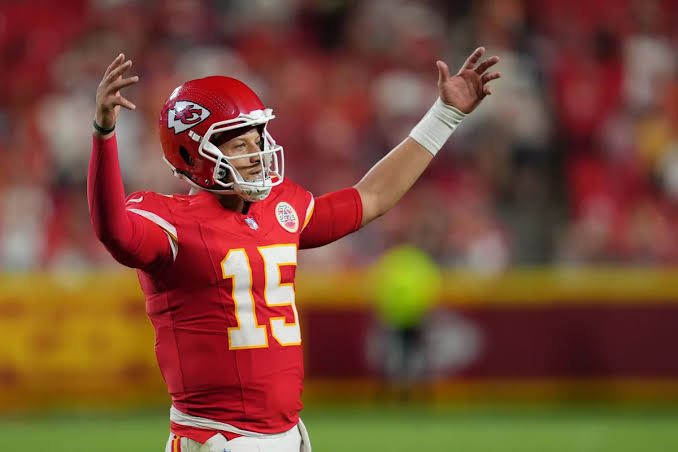


Patrick Mahomes’ return from a serious knee injury and Aaron Rodgers’ final-season push with the Pittsburgh Steelers represent two versions of the same NFL problem: how can veteran quarterbacks remain decisive when modern defenses are designed to remove the deep ball?
Mahomes made his comeback after tearing his ACL and LCL, returning nine months later to lead Kansas City to a 31–10 win over Denver. He threw two touchdown passes and added another on the ground, offering an early indication that rehabilitation had not erased the movement skills that make his game so difficult to defend.
Rodgers, meanwhile, entered 2026 with a very different storyline. The Steelers quarterback announced that the season would be his last, turning every regular-season stretch into part of a compressed championship window. His one-year contract is built around performance incentives, including bonuses linked to playoff victories and a potential Super Bowl run.
The tactical challenge facing both quarterbacks begins before the snap. Defenses increasingly align with two deep safeties, often disguising whether they will play Cover 2, Cover 4, quarters or a split-field variation. The objective is straightforward: prevent explosive passes, force quarterbacks to hold the ball and make them complete a long series of lower-risk throws. Two-high structures have become a central response to the league’s explosive passing era.
This approach has changed what elite quarterback play looks like. A quarterback who repeatedly attacks deep coverage may be displaying confidence, but he is also giving the defense exactly what it wants: difficult throws into limited windows. The better response is often to accept a five-yard completion, throw to a running back in the flat or use a quick crossing route to make linebackers defend horizontally.
Mahomes has already shown signs of adapting to this reality. His creativity remains a major weapon, but Kansas City’s offense cannot rely exclusively on broken-play magic or deep throws outside the numbers. Against two-high shells, the Chiefs must use motion, condensed formations and layered routes to force defenders to declare their intentions. Mahomes can then exploit the space underneath before attacking vertically once the safeties begin to creep forward.
His recovery adds another tactical consideration. Even if Mahomes is medically cleared, Kansas City may manage the number of designed runs and minimise unnecessary exposure early in the season. The quarterback can still extend plays, but selective movement could be more valuable than constant improvisation. His arm talent allows the Chiefs to remain aggressive without demanding that he repeatedly win through contact.
Rodgers faces a similar coverage puzzle but with a different physical profile. At this stage of his career, efficiency matters more than volume. His best answers against two-high defenses are rhythm throws, pre-snap identification and precise distribution to receivers who can create yards after the catch. If he waits too long for a deep route to develop, the pass rush can turn a manageable down into a lost possession.
Checkdowns are therefore not automatically signs of conservative quarterback play. Against split-safety defenses, a running back catch can force a safety to enter the box on the next snap. That reaction may create the opening for a later play-action shot or intermediate dig route. Research on the league’s tactical shift has shown rising checkdown rates as two-high coverage has become more common.
The difference between Mahomes and Rodgers is ultimately the margin for error. Mahomes can still threaten defenses with mobility and off-platform throws, while Rodgers must win more consistently before the snap and from the pocket. Yet both must accept the same truth: the modern NFL no longer rewards every spectacular attempt.
For Mahomes, the contract clock is about proving that his body and improvisational brilliance remain intact. For Rodgers, it is about turning experience into one final postseason opportunity. Their success may depend less on how often they throw deep than on how intelligently they make defenses pay for taking the deep ball away.