
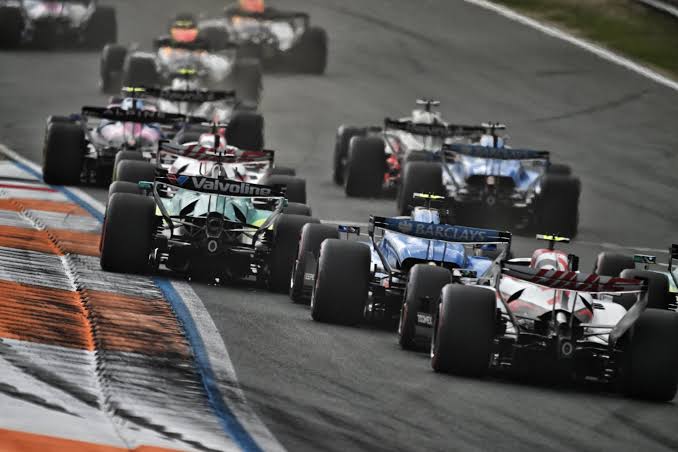


At the Temple of Speed, the difference between pole position and P6 can come down to a few hundredths of a second and a perfectly timed slipstream, making Saturday’s qualifying session at Monza as much a chess match of cooperation and rivalry as a pure display of single‑lap pace. With minimal aerodynamic downforce, long straights and heavy braking into the Variante del Rettifilo, teams have prioritized low‑drag packages that amplify the value of straight‑line speed and turn tow‑sharing into a championship‑relevant tactic.
Mercedes’ situation encapsulates the strategic complexity. World championship leader Kimi Antonelli arrives with an engine‑penalty grid drop that will send him to the back regardless of his qualifying result, freeing him to act as a dedicated tow provider for title rival George Russell in Q3. Antonelli has publicly backed the plan, acknowledging that helping Russell chase pole at Monza is the best use of his session when his own grid slot is already decided. That two‑versus‑one dynamic against Ferrari and McLaren adds a layer of gamesmanship: drivers must balance personal lap preparation with the timing of their out‑laps to ensure they hit the start‑finish line at peak tow without traffic or yellow flags ruining the attempt.
Ferrari, racing at home, have brought a specialized low‑drag aero suite and power‑unit upgrades aimed squarely at Monza’s demands. Their package includes revisions to the rear “Macarena” wing, floor board, mirror supports, brake ducts and tailpipe installation, all designed to shave aerodynamic resistance while maintaining enough stability under braking for Turn 1. Charles Leclerc and Lewis Hamilton will look to maximize that straight‑line gain in qualifying, but they must also navigate the slipstream economy: if Mercedes and McLaren coordinate their tows effectively, Ferrari could find themselves chasing clean air rather than dictating it.
McLaren’s technical story is equally pivotal. The team has confirmed the race debut of its “H‑Wing,” a rotating rear‑wing concept akin to Ferrari’s Macarena design and Red Bull’s more extreme variant, alongside a new low‑drag rear wing and updated floor furniture. Technical director Neil Houldey described the upgrades as essential for competitiveness at Monza, where drag reduction directly translates into sector time gains on the long straights. Lando Norris and Oscar Piastri will rely on that efficiency not only for race pace but for qualifying positioning, where a stronger tow can unlock a front‑row start that protects them from first‑lap chaos into Variante del Rettifilo.
The constructors’ battle is being subtly reshaped by these low‑drag philosophies. Teams that can trim resistance without sacrificing too much cornering stability gain a double dividend: better qualifying slots and improved race‑day overtaking potential. Red Bull has taken a slightly different route, focusing on floor load and aerodynamic stability with a revised floor body and exhaust tailpipe, betting that consistent downforce through the Lesmos and Parabolica will offset any straight‑line deficit. Mercedes, meanwhile, has opted not to introduce performance upgrades, relying instead on its existing low‑downforce wing and bodywork specification to compete on pure slipstream execution.
In this environment, qualifying becomes a negotiation as much as a shootout. Drivers must decide when to lead out, when to follow, and when to abandon a tow attempt if traffic or track evolution threatens their lap. With temperatures forecast to peak around 35°C on Saturday, adding thermal stress to power units and tires, the margin for error shrinks further, making clean, well‑timed tow laps even more valuable. The grid that emerges from this delicate dance will set the tone for Sunday’s race, where brake stability, tire management and DRS zones will reward those who secured the best starting real estate.