


Novak Djokovic’s first-round exit at the 2026 US Open did more than end a 20-year run without an opening-round Grand Slam loss; it laid bare the athletic cost of modern five-set marathons under Flushing Meadows’ extreme humidity and heat. The 39-year-old’s 7-6(5), 5-7, 4-6, 6-2, 6-1 defeat to Argentina’s Mariano Navone—lasting four hours and 36 minutes—was not merely a statistical upset but a case study in movement mechanics, unforced error spikes, and endurance limits on hard courts.
Djokovic entered the match with a 78-match first-round Grand Slam winning streak, the longest in the Open era, and a 42-12 lifetime record in five-setters. Yet by the final two sets, his movement had deteriorated visibly: wide stances on returns, shortened recovery steps between points, and a surge in unforced errors from both wings as his legs fatigued. In humid conditions that push core temperatures higher and sap glycogen stores faster, the physical toll of prolonged baseline rallies and repeated acceleration-deceleration cycles becomes magnified, particularly for older athletes whose recovery windows narrow with each additional set.
The match also highlighted how baseline depth and return positioning can tilt long rallies in a player’s favor under such conditions. Navone, 25 and previously 0-4 in five-setters, consistently landed returns deep behind the service line, forcing Djokovic to generate pace from well behind the baseline and increasing the distance he had to cover on each shot. Over four hours and 36 minutes, those extra meters compound, elevating heart rate, accelerating muscle fatigue, and ultimately degrading stroke precision—factors that showed up in Djokovic’s late-match error count and diminished court coverage.
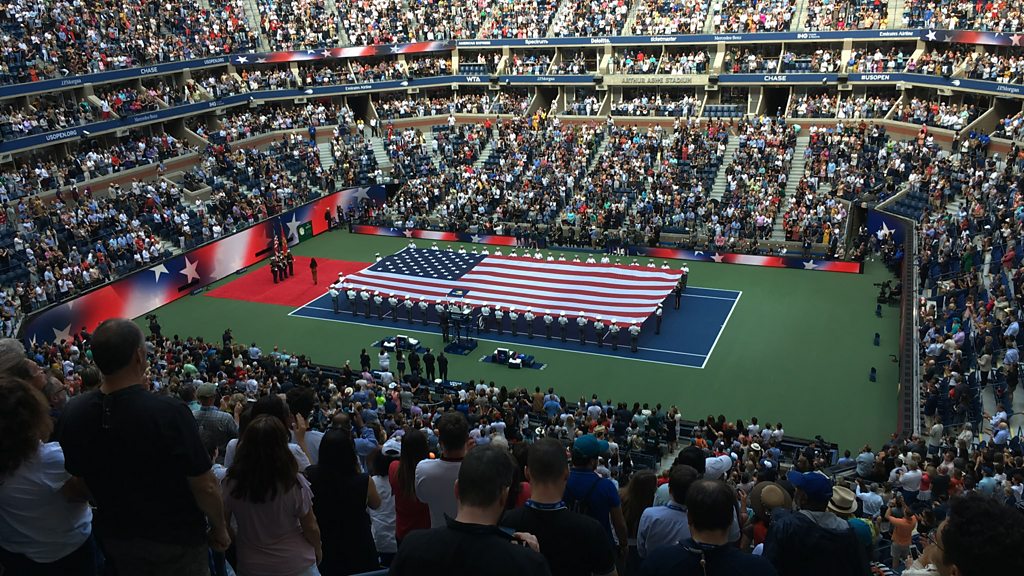
From a tactical perspective, the night session at Arthur Ashe Stadium underscored why return-of-serve quality and kick-serve neutralization are becoming decisive in modern hardcourt tennis. Djokovic’s first-serve percentage dipped as the match wore on, and when he did find the box, Navone’s deep, high-bouncing returns negated the advantage, turning service games into extended baseline exchanges. In humid air, where balls travel slightly slower and bounce higher, kick serves that might normally produce free points or weak replies instead become neutralized, extending rallies and shifting the burden onto physical resilience.
The broader implication for the tour is clear: as the game trends toward longer, more physically demanding matches, the margin for error in movement efficiency and recovery shrinks, especially for veterans chasing milestone slams. Djokovic’s 2026 US Open exit is less an anomaly than a data point in a growing archive of matches where athletic sustainability—not just shot-making—determines outcomes in best-of-five formats.
As the tournament progresses, expect night sessions at Arthur Ashe to continue favoring players who can blend deep returning, high-bouncing serves, and superior movement economy, turning Flushing Meadows into a proving ground not just for technique but for the physical architecture of modern tennis.