
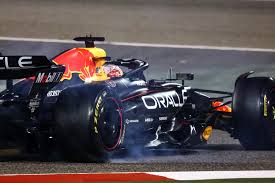


Formula 1’s 2026 preseason testing has unveiled a peculiar sight: Red Bull and Ferrari’s latest aero packages, complete with radical floor designs, are turning heads not just for speed but for their faded liveries. As teams finalize paint jobs ahead of the March opener, whispers from the paddock reveal a desperate weight-saving ploy—stripping layers of color to offset the chunkier new power units mandated by regs. These hybrid beasts, boosting electric output nearly threefold to 350kW while slashing ICE power, demand creative sacrifices. In a sport obsessed with grams equaling tenths, paint is the first casualty in the “Weight Limit Crisis.”
The root? FIA’s aggressive 768kg minimum car weight, down 30kg from today’s 798kg, paired with smaller chassis (100mm narrower, 200mm shorter wheelbase). Sounds nimble, right? Not when power units balloon thanks to beefier batteries and MGU-K revamps for that 50/50 thermal-electric split. Engineers admit hitting the limit is “very challenging,” with some squads already prototyping bare-carbon finishes to shed 1-2kg per car. Red Bull’s sidepod wizardry and Ferrari’s floor edges prioritize downforce efficiency, but insiders say both are experimenting with ultra-thin pigments or skipping clear coats altogether. Traditional liveries? Too heavy—modern paints pack resins and metallics adding up to 1.5kg, per team sims.
This isn’t vanity; it’s survival. Preseason Bahrain laps exposed the math: heavier PUs force trade-offs in chassis stiffness, suspension tweaks, or—horrors—ballast relocation. Ferrari’s Maranello wind tunnel logs hint at matte-black minimalism, echoing 2022’s ground-effect era when teams ditched gloss for grip. Red Bull, perpetual innovators, might go stealth-mode entirely, channeling their 2025 dominance into colorless aero blades. McLaren and Mercedes trail in testing buzz, but whispers suggest all midfields face the same dilemma: colorful sponsors demand visibility, yet regs punish excess mass. Pirelli’s slimmer tires help marginally, but battery packs alone add phantom weight via reclassified components.
| Team | Livery Shift Strategy | Weight Savings Estimate |
|---|---|---|
| Red Bull | Matte carbon, minimal metallics | 1.2-1.8kg |
| Ferrari | Thin pigments, no clear coat | 1.0-1.5kg |
| McLaren | Hybrid gloss/matte panels | 0.8-1.2kg |
| Mercedes | Sponsor-minimal base layers | 1.1kg |
History echoes this frenzy. In ground-effect 2022, paint scandals surfaced as squads sanded schemes to nil. Now, with active aero (DRS-like straightline boosts) and Manual Override bursts amplifying PU strains, every ounce counts double. Fans might miss vibrant Bulls and Scarlets, but purists celebrate: lighter cars mean sharper rotation, wheel-to-wheel dice, and overtakes galore. Critics decry “soulless racers,” but data trumps aesthetics—sims project 0.3s laps from weight weans alone.
As livery unveilings wrap, the crisis spotlights F1’s engineering arms race. Sponsor logos shrink to stickers; chrome accents vanish. By Australia, we might see the palest grid ever—ghost cars chasing glory. Is this innovation or eyesore? For teams, it’s non-negotiable: in 2026’s electric dawn, color fades so speed endures.