
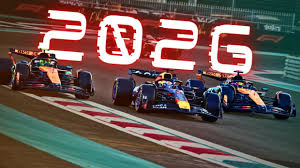


Formula 1’s Bahrain pre-season testing kicked off on February 11 under Sakhir’s floodlights, unveiling the 2026 machines—not as mere updates, but a radical redesign shrinking chassis by 10cm in length, 20kg lighter overall, and narrower tracks promising nimbler cornering. Max Verstappen set the early pace with a 1:35.433 benchmark for Red Bull, yet these times mask a projected 2-second-per-lap slowdown from slashed downforce and smaller 16-inch rears versus 18s, forcing teams to chase grip through active aero tweaks. Forget driver sagas; this testing spotlights a technical revolution, blending sustainable power with overtaking aids that could reshape racing’s DNA.
At the heart pulses the 50-50 power split: internal combustion engines (ICE) capped at 400kW thermal output matched by 400kW electric MGU-K boost, ditching MGU-H complexity for greener efficiency without full hybrid bloat. Fuels hit 100% sustainable drop-in from non-food sources, slashing CO2 by 65%—a nod to FIA’s net-zero 2030 pledge. Verstappen’s long-run sims clocked 1:37s on mediums, hinting at race pace parity with 2025 poles despite downforce dieting (30% less via simplified floors and beam wings). Ferrari’s Charles Leclerc trailed at 1:35.7, their SF-26’s red halo gleaming as onboard cams captured turbo spool-ups blending petrol growl with electric whine—music to purists wary of silence.
Enter the “Overtake” button, F1’s boldest gimmick: a push delivering 350kW electrical surge for 10 seconds when within DRS-plus-one-second proximity, rechargeable via braking regen over a lap. McLaren’s Lando Norris triggered it mid-stint, rocketing past Oscar Piastri for P1 visuals, clocking 1:35.1 bursts that evaporated gaps. Testing data projects 15% more passes per race, countering slipstream complaints in dirty air—Mercedes’ George Russell lapped 0.3s quicker post-button, his W17’s battery packs (now 4kg lighter) feeding seamless torque. Yet pitfalls lurk: overuse drains race fuel (down to 70kg from 100kg), forcing strategic restraint, while rivals like Aston Martin’s Fernando Alonso gamed cooldown laps to recharge mid-sector.
Comparisons crystallize evolution. Verstappen’s 1:35.433 evokes 2025 Bahrain pole (1:30.8 by Leclerc), validating FIA sims of 2s drops from ground-effect purity—less ride-height sensitivity aids dirty-air following, vital for wheel-to-wheel. Testing pecking order? Red Bull leads long runs (1:38.5 avg on hards), McLaren edges quali sims, Ferrari chases straightline speed with Leclerc’s 337kph top-out. Sauber’s Valtteri Bottas logged 1:36.8s, Alpine’s Esteban Ocon hit reliability snags (ERS overheating), underscoring adaptation pains for backmarkers.
This revolution prioritizes racing over rocket ships: shorter noses boost visibility, no front wings protruding driver helmets, and manual gearboxes optional for cost caps (£180m ceiling). As Day 3 wraps February 13, teams hoard data—Verstappen’s 142 laps versus Haas’ 89—fine-tuning for February 20 Australian GP. Bahrain’s sands birthed insights: 2026 F1 slims to essentials, where Overtake bursts reward aggression, hybrid parity levels fields, and lighter frames dance through apexes. Verstappen quipped, “Feels like karting with turbos.” Technical tempests brew glory; as laps tick, the grid braces for a leaner, meaner era.