
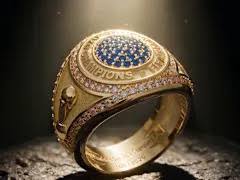


In a move that blends sporting pageantry with modern fanfare, FIFA has confirmed that the World Cup winners will receive championship rings immediately after the final. The announcement marks a departure from traditional trophy-only celebrations and introduces a personal keepsake similar to those given in other major sports. FIFA says the rings will be crafted to honor the victorious team’s achievement and will be presented on the pitch during the medal ceremony.
Championship rings are a familiar symbol in sports such as American football and basketball, where they serve as individualized mementos for players and staff. For football’s largest tournament, the rings are intended to add another layer of recognition for the athletes who reach the pinnacle of international play. FIFA representatives noted that the design will reflect tournament branding, the host nation’s culture, and emblems meaningful to the winning country.
This change is partly about spectacle. Football’s biggest moments now play out across global broadcast networks and social platforms, and memorabilia that photographs well can amplify those moments. Rings allow personal close-ups, player storytelling, and social-media-friendly imagery that extend the narrative beyond the final whistle. FIFA’s decision likely aims to create additional emotional and commercial value around the event while giving players something tangible that symbolizes their personal contribution to a team triumph.
There are practical and symbolic reasons behind the move. Symbolically, a championship ring is an intimate token: it stays with the player, often for life, and carries personal memories of the campaign. Practically, rings can offer customization (player name, number, specific match details) that a communal trophy cannot. For national teams, rings provide a way for every squad member and select staff to carry home an individualized symbol of success.
The response from players, federations, and fans has been mixed. Many current and former players welcomed the idea, appreciating the personal remembrance and the chance to showcase a new symbol of achievement. Some purists questioned whether introducing rings commercializes the sport too much or detracts from the historical weight of the World Cup trophy itself. Others pointed out logistical questions—how many rings are made, whether all squad members (including non-playing staff) receive one, and how designs will be agreed upon between FIFA and the winning association.
FIFA’s announcement also raises sponsorship and licensing considerations. Rings can create new merchandising opportunities—limited editions, replicas for fans, and official memorabilia lines. Those possibilities will be attractive to sponsors and national federations looking to monetize the moment, but FIFA will need clear rules to control authenticity and avoid cheap knock-offs diluting the significance of official rings.
As for timing, FIFA plans for the rings to be revealed during the final ceremony, but full details on design, distribution, and eligibility are to be released closer to the next World Cup. Whatever the specifics, the introduction of championship rings marks a notable evolution in how football commemorates its champions: marrying tradition with a modern, individualized token that players can carry beyond their careers.
For journalists and content creators, the decision opens new angles—design reveals, player reactions, commercial tie-ins, and historical comparisons with other sports. For fans, it adds another collectible to the World Cup legacy. Ultimately, whether rings become a cherished new tradition or a contested innovation will unfold with the next tournament’s celebrations.