


The modern NFL is increasingly shaped by two connected questions: how can offenses create explosive plays against two-high safety shells, and what should teams realistically expect from rookie quarterbacks? As defensive coordinators continue to protect the deep part of the field, offensive success is becoming less about launching constant deep passes and more about patience, spacing, versatility and decision-making.
A two-high shell places both safeties deep before the snap, reducing the opportunity for receivers to win against single coverage downfield. The structure also gives defenders more protection against vertical routes and limits the damage caused by explosive plays. Its growth has contributed to a decline in average passing depth and deep attempts across the league. Next Gen Stats data cited in recent analysis showed two-high safety usage rising sharply, reaching 63% of passing plays in one recent season compared with 44% the year before.
The most direct response has been a renewed emphasis on the running game. When two safeties remain deep, the defense often has fewer immediate bodies close to the line of scrimmage. Efficient inside runs, split-zone concepts and gap-scheme variations can force a safety to move forward. That decision creates the opening offensive coordinators want: once the defense adds help to the box, play-action and intermediate passing lanes become more dangerous.
Modern coordinators are also using more motion and formation changes to test defensive communication. Pre-snap movement can reveal whether a defence is playing man coverage, zone coverage or a match-based hybrid. Shifts into bunch formations and condensed sets create natural traffic for defenders, while motion can force safeties to declare their intentions before the ball is snapped.
The intermediate area of the field has become especially important. Dig routes, glance concepts, deep crossers and option routes attack the space between linebackers and safeties without requiring the quarterback to hold the ball for a low-percentage deep shot. Against two-high coverage, successful offenses must win between the numbers, protect the quarterback and accept that consistent five- to 12-yard gains may be more valuable than chasing spectacular plays.
Personnel is another part of the adjustment. More teams are turning to 12 personnel, using one running back and two tight ends to create uncertainty. That grouping can support the running game while still allowing the offense to release multiple receiving threats. If the defense responds with heavier personnel, the offense can attack with speed; if it stays in a lighter package, the running game can gain an advantage.
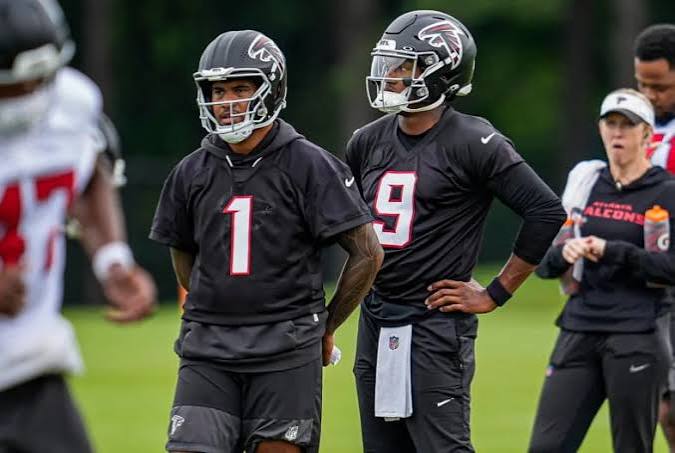
These tactical demands are directly relevant to rookie quarterbacks. Year 1 success should not be judged only by wins or touchdown totals. A more useful evaluation includes completion percentage, yards per attempt, sack rate, interception rate, third-down decisions and performance against pressure.
Yards per attempt remains a particularly valuable indicator because it measures whether a quarterback is producing meaningful gains rather than merely completing short throws. Historical analysis has found that qualifying rookie quarterbacks who finished with at least 6.0 yards per attempt all went on to complete their first season successfully by that study’s measure. A rookie who combines a reasonable completion rate with efficient passing, limited turnovers and improved late-down decision-making is usually showing healthier progress than one chasing big plays at the expense of possession.
The best rookie development plans therefore build around structure. Quick-game concepts, play-action, defined half-field reads and designed quarterback movement can reduce mental overload while allowing young passers to attack the weaknesses of two-high coverage.
The NFL’s tactical contest is clear. Defenses want to make opponents drive the field patiently, while offenses are searching for ways to create stress without abandoning efficiency. The teams that win this battle will not necessarily throw the deepest. They will identify the coverage, manipulate the safeties, run with purpose and develop quarterbacks who understand when aggression is necessary—and when patience is the smarter play.