


The NFL season has barely begun, but the opening weekend has already delivered the unpredictability that makes American football a global spectacle. One game does not define a campaign, yet September results can quickly alter confidence, public expectation and the urgency inside a locker room. For teams that open 1-0, there is momentum to protect; for those beginning 0-1, the next fixture can suddenly feel like an early-season must-win.
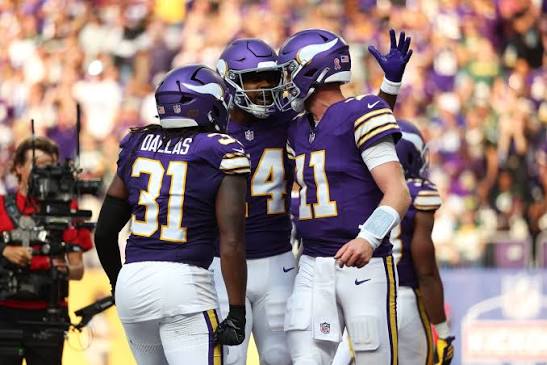
The first round of games brought an immediate shake-up across the league. Wins for teams including the Bills, Ravens, Bengals, Lions, Eagles, 49ers, Bears, Jaguars, Jets, Steelers, Vikings and Cardinals put several established contenders on the front foot, while the early power rankings reflected how quickly perceptions can change after a single Sunday. Cleveland, in particular, faces an uncomfortable start after landing near the bottom of multiple early assessments, a reminder that poor offensive rhythm or defensive breakdowns can create pressure almost instantly.
Quarterback play remains the biggest storyline. Every new season invites a fresh debate: which young passer is ready to make the leap from promise to production? The most encouraging early signs are not always found in highlight-reel deep throws. A quarterback who identifies pressure before the snap, gets the ball out on time, avoids unnecessary turnovers and converts third downs can transform an entire offense. The NFL’s best attacks are increasingly built around quick decisions, motion before the snap and versatile playmakers rather than simply relying on the biggest arm.
For global fans, the quarterback battle is also the easiest way to follow the changing hierarchy of the league. The established stars are expected to deliver, but the season becomes more compelling when a younger passer shows poise in hostile road conditions or leads a late fourth-quarter drive. Early fantasy-football and waiver discussions have already highlighted names such as Bryce Young, Tyler Shough, Jacoby Brissett and Kirk Cousins as quarterbacks worth monitoring, reflecting how rapidly roles and opportunities can evolve. Whether those names become long-term stories will depend on consistency rather than one productive outing.
The tactical picture is equally important. Defenses continue to search for ways to disrupt pass-heavy systems without exposing themselves to explosive plays. Two-high safety looks, disguised coverages and simulated pressures remain useful tools, forcing quarterbacks to take shorter throws and sustain lengthy drives. In response, offenses are leaning more heavily on pre-snap motion, play-action, quick screens and running backs who can contribute as receivers. The team that best controls the line of scrimmage will usually have the freedom to dictate tempo.
Week 2 is where the first real narratives can take shape. The Lions’ trip to Buffalo stands out as a major early measuring stick, while fixtures such as Vikings at Bears, Bengals at Texans, Steelers at Patriots, Packers at Jets and Colts at Chiefs offer direct tests of playoff-level credentials. A second straight victory does not guarantee a postseason place, but it gives a team breathing room. Conversely, an 0-2 start can force coaches to re-evaluate personnel packages, protection schemes and play-calling before September has even ended.
That is the beauty and brutality of the NFL. Each week offers only one game, so every tactical decision is magnified. The teams that adapt fastest—whether through smarter quarterback protection, a more balanced running game or sharper defensive communication—will turn early promise into a season that matters in January.