


European club football has shifted decisively into high gear as the 2026-27 UEFA Champions League league phase opens with Matchday 1, immediately testing the tactical flexibility, squad depth, and nerve of the continent’s traditional powerhouses. The new league-phase structure—now in its third season—means every result carries amplified significance, with no room for slow starts if clubs want to secure top-eight finishes and direct passage to the round of 16.
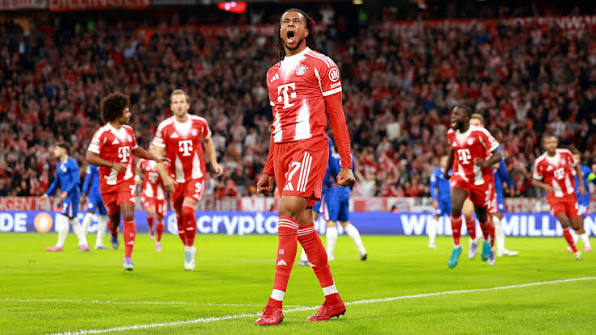
The opening fixtures delivered instant drama and tactical intrigue. Real Madrid edged Inter 2-1 at the Bernabéu in a game decided by fine margins and transitional speed, while Manchester City produced a controlled 2-0 away win at Porto, blending positional dominance with ruthless finishing. Bayern Munich sent an emphatic message with a 5-0 home rout of Bodø/Glimt, showcasing vertical intensity and width, and Paris Saint-Germain overwhelmed Slovan Bratislava 6-1, underlining their attacking depth despite ongoing questions about defensive balance.
Tactically, the night highlighted how elite teams are adapting to the league-phase demands. With eight different opponents and no repeat fixtures, coaches are prioritizing adaptable game plans over rigid systems. Real Madrid’s ability to toggle between mid-block stability and rapid counters proved decisive against Inter’s compact shape, while City’s use of inverted full-backs and overloads in half-spaces broke Porto’s low block without exposing themselves on the break. Bayern’s high press and quick switches stretched Bodø/Glimt horizontally, creating space for central runners, and PSG’s front three exploited wide channels before cutting inside to overload the box—a pattern that yielded goals but also left them vulnerable to transitions when possession was lost.
Injury news and squad management added another layer of pressure. The expanded calendar and condensed midweek slots mean rotation is non-negotiable, yet the league-phase format punishes dropped points harshly. Several big clubs entered Matchday 1 with key players carrying minor knocks or returning from international duty, forcing managers to balance risk and reward. For teams like Real Madrid and City, the depth of their benches allowed them to absorb absences without a drop in control, but others will face tougher choices as the fixture list intensifies.
Early results also sharpen the narrative around expectation and pressure. For PSG, dominant scorelines are now the baseline; anything less invites scrutiny given their investment and recent European ambitions. Bayern’s statement win reinforces their domestic dominance but raises the bar for consistency across eight varied opponents. City’s away efficiency signals title intent, while Real Madrid’s narrow victory underscores that even champions must grind through phases of the league schedule.
As the league phase unfolds, the margin for error remains slim. The top eight advance directly; positions nine to 24 enter a playoff; the bottom 12 are eliminated. Matchday 1 has set the tone: tactical adaptability, squad rotation, and mental resilience will separate those who thrive from those who falter under the weight of Europe’s most demanding club competition.