
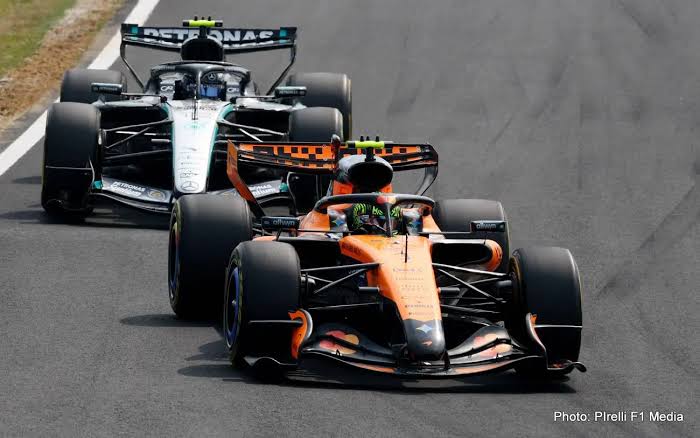


Formula 1’s 2026 regulations have created one of the biggest technical resets in the sport’s history, changing both the car and the power unit at the same time. As the championship moves towards the post-summer-break races, including Zandvoort, the new rules are creating opportunities for teams that can make clear technical decisions quickly. Alpine’s switch to Mercedes power is the strongest customer-team example, while Aston Martin’s Honda partnership shows a different route to competitiveness.
The 2026 power units place far greater emphasis on electrical energy. The motor-generator unit responsible for recovering braking energy now produces approximately 350kW, almost three times the previous output, while the MGU-H has been removed. The internal-combustion engine continues to use a 1.6-litre turbocharged layout, but advanced sustainable fuel and a much closer balance between combustion and electric power have changed the engineering priorities.
That shift matters because the new car is not simply an old chassis with a different engine. Active aerodynamics allow teams to alter aerodynamic behaviour between corners and straights, reducing drag when speed is needed and restoring downforce for braking and cornering. The challenge is to make the system predictable for the driver while ensuring that the power unit delivers electrical energy at exactly the right moment.
A works team has the advantage of designing the chassis and engine together. It can influence the packaging, cooling system, energy-store location and rear suspension around its own power unit. However, that integration also creates responsibility. A manufacturer must spend heavily on the engine, develop the software, solve reliability problems and coordinate multiple departments under the cost cap.
A customer team can operate with less internal complexity. Alpine’s decision to abandon its own Renault power-unit project and use Mercedes units allows it to redirect resources towards the chassis, aerodynamics, suspension and operational side of the car. The team loses some freedom in engine design, but gains a proven power unit, established data and the ability to focus its limited budget on areas that directly affect lap time.
That flexibility could be especially valuable under active-aero rules. A customer team may not need to invent the engine technology, but it must learn how to use the available electrical deployment and aerodynamic modes more effectively. Better simulation, faster setup decisions and cleaner pit-wall strategy could help reduce the gap to larger works outfits.
Aston Martin requires a different explanation. It is not a customer team in 2026; it has become Honda’s works partner, with an exclusive power-unit relationship. The arrangement gives Aston Martin the opportunity to integrate its chassis and engine without the compromises associated with buying a standard customer package.
That advantage has not produced instant results. Reports have described the start of the Aston Martin-Honda partnership as difficult, with the chassis and power unit both struggling to deliver competitive performance. However, the close relationship between the two organisations could become more valuable as they learn how to tune drivability, energy recovery and aerodynamic deployment together.
The real competitive opportunity for smaller teams is therefore not simply access to a strong engine. It is the ability to avoid wasting development capacity. Under a cost cap, every pound spent on solving a power-unit problem is money unavailable for floor development, suspension geometry or simulator work.
The 2026 season may ultimately reward the team that makes the fewest compromises rather than the one with the biggest badge. Mercedes, Ferrari, Red Bull Powertrains and Honda have the resources of manufacturers, but Alpine can concentrate on execution, while Aston Martin can pursue deep technical integration. If either team finds the right balance between electrical deployment, active aerodynamics and tyre management, the new rules may bring an unexpected challenger to the front.