


As Europe’s football calendar shifts into high gear, the early rounds of domestic cups and the final qualifiers for the UEFA Champions League are creating fertile ground for classic cup shocks. With big clubs often rotating squads and underdogs playing with nothing to lose, this period regularly produces the kind of results that define the romance of knockout football.

In England, the Carabao Cup second round is already highlighting potential upset angles. Lower-league and newly promoted sides frequently treat these ties as cup finals, while Premier League teams—especially those juggling European fixtures—may rest key players. Matches like Birmingham City vs Brentford illustrate how finely balanced these games can be, with bookmakers pricing some Premier League visitors as only narrow favourites despite the gulf in league status. When a Championship or League One side is motivated, well-drilled and playing at home, the margin for error for a rotated top-flight XI shrinks dramatically.
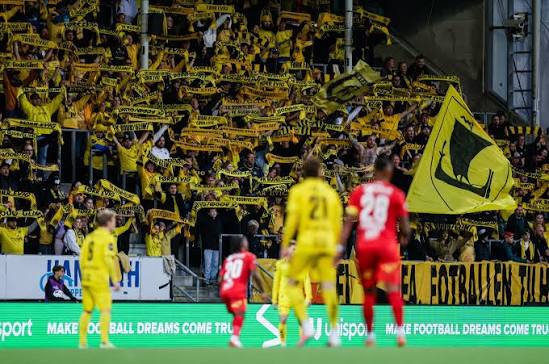
Across the continent, the Champions League play-off round offers another layer of underdog intrigue. Seven ties are deciding the final places in the 36-team league phase, and several matchups feature clubs that could be considered “dark horses” relative to their opponents’ reputation or coefficient. Norwegian side Bodø/Glimt, for example, have already established themselves as modern fairy-tale contenders after previous runs to the Champions League knockout stages, and they currently lead 3-1 on aggregate against Dutch outfit N.E.C. after a commanding first-leg win. Should they complete the job, their return to the main draw would once again pit a relatively small-market club against Europe’s elite, exactly the kind of storyline that fuels upset narratives in the group phase.
Celtic’s 3-0 first-leg advantage over Austria’s LASK similarly positions the Scottish champions as strong favourites to progress, but the broader picture is more interesting for underdog hunters. In other ties, clubs such as Levski Sofia, Viking, Celje and Slovan Bratislava are locked in tight contests where a single goal could flip the script and send a less-heralded side into the league phase. Historically, teams from smaller leagues that reach this stage often arrive with high intensity, strong collective organization and little fear—precisely the ingredients that have produced memorable Champions League upsets in the past.
Domestic cup competitions in other major leagues will soon follow a similar pattern. In Spain, Germany, Italy and France, early-round ties often see top clubs making multiple changes, while ambitious mid-table and lower-division opponents treat these games as season-defining opportunities. The combination of squad rotation, travel fatigue for teams involved in European qualifiers, and the one-off nature of knockout ties increases the probability of surprise results. For observers tracking “underdog watch” angles, the key markers are motivation levels, squad news and whether a favourite is clearly prioritizing league or European commitments over a domestic cup.
The Champions League play-offs also provide a useful barometer for identifying potential group-stage disruptors. Clubs that navigate this round under pressure—especially those from leagues outside the traditional top five—often carry that confidence into the league phase, where they can be dangerous opponents for bigger names. Bodø/Glimt’s recent history, for instance, shows that a team with a clear identity and strong home support can trouble even the most decorated sides, making them a prototype for the kind of underdog that can punch above its weight in Europe.
As the second legs of the Champions League play-offs unfold and domestic cup rounds progress, the stage is set for more David-versus-Goliath moments. For fans and analysts alike, these fixtures offer a chance to spot the next wave of surprise packages—teams that may not have the biggest budgets or the deepest squads, but possess the belief, structure and moment to topple established powers when the stakes are highest.