


Formula 1’s second half is often decided less by bold quotes and more by invisible gains. The teams that find the best balance between aerodynamic efficiency, tire management and race execution usually separate themselves once the season moves into its most technical phase.
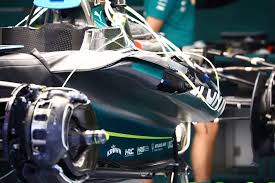
This is why mid-season development matters so much. A floor update, revised sidepod geometry or small changes to the front wing can transform corner-entry confidence, stabilize the rear through fast direction changes and reduce tire stress over a race stint. On high-downforce circuits especially, those gains can translate into better lap time not just on raw pace, but across an entire stint when the tires are fading.
The real battleground is often hidden in telemetry. Teams are constantly comparing braking traces, throttle application and minimum corner speed to understand where a car is strong and where it is bleeding time. The numbers may not always look dramatic on a single lap, but the same tenth gained in corner entry, exit traction or straight-line stability can create a meaningful advantage over a race distance.
That is where tire degradation becomes just as important as outright speed. An upgrade that makes a car kinder to the rear tires can pay off late in a stint, allowing drivers to push harder without overheating the compound. In practice, that often means stronger race pace than a rival who may look sharper in qualifying but falls away once fuel load, heat and tire wear start to bite.
Safety car periods add another layer to the picture. Under neutralized conditions, the cost of a pit stop changes dramatically, which can reward teams that read the strategy window correctly. A well-timed stop under the safety car can protect track position or even create a free gain, but only if the team has enough confidence in its tire life and rejoin position to commit at the right moment.
The most successful teams are also the most flexible. If an upgrade package improves performance at slow and medium-speed corners, the benefit may be amplified at high-downforce venues where traction and rotation matter more than top speed. But if a rival answers with a cleaner floor edge, better airflow around the diffuser or more stable braking performance, the gap can disappear quickly.
That is what makes the second half of the season so compelling. Development is no longer just about adding load; it is about making the car easier to drive, gentler on tires and more adaptable when strategy turns messy. The teams that master those details will not just look faster on paper — they will be the ones converting upgrades into podiums when the championship pressure rises.