


Formula 1’s European summer stretch is where the championship often changes shape. With races clustered through Hungary, Belgium, and the Netherlands before the summer shutdown, teams bring their final major upgrade packages, and the small gains from aero and tyre management can decide whether a title fight stays open or begins to tilt one way.
This part of the season is especially revealing because the tracks demand different solutions. Hungary rewards high-downforce efficiency, Spa exposes drag sensitivity on long straights, and Zandvoort punishes any car that cannot rotate cleanly through medium-speed corners. A team that looks strong on one of these venues may struggle badly at the next if it has chosen the wrong balance between cornering grip and straight-line speed. That is why the best teams do not simply make the biggest upgrade; they make the right one for the remaining calendar.
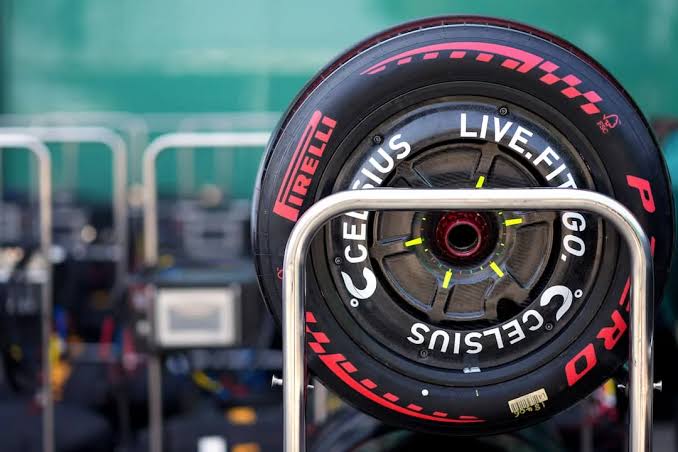
The real separator in this phase is tyre degradation. Some cars can generate strong one-lap pace but destroy the tyres over a race stint, while others may be a touch slower over a single lap yet remain kinder to the rubber. In European summer conditions, that distinction becomes critical. Hot asphalt, long cornering loads, and repeated direction changes all amplify thermal stress on the tyres, and once a driver starts sliding even slightly, lap times usually unravel quickly.
High-downforce packages often help in tracks like Hungary and Zandvoort because they improve grip in slower and medium-speed corners. But more wing usually creates more drag, which can hurt overtaking and top speed on straights. Low-drag setups are ideal when efficiency matters, especially at Spa, yet too little rear stability can make the car slide more and increase tyre wear. The teams that get this right are the ones whose telemetry shows strong corner minimum speeds without a dramatic spike in tyre temperatures over a stint.
That is why the upgrade battles in the European leg are so important. By this point in the season, teams know their baseline strengths. The question is whether they can improve without damaging the characteristics that already work. A successful floor, diffuser, or front-wing package is not just about adding downforce; it is about delivering usable downforce that the driver can trust over a race distance. The fastest lap means little if the tyres fade by lap 15.
The driver market adds another layer of tension. The summer break has long been the moment when contract talks intensify, and the pressure often moves downward through the grid. If one mid-tier driver renews early, another seat may close. If a team hesitates, rivals begin planning around that uncertainty. That creates a domino effect, where one signing can reshape the options for several others. For younger drivers, the European swing is often the best time to make a case, because one strong run can suddenly turn an uncertain contract into a hot topic.
So the European summer swing is more than a sequence of races. It is the final major technical proving ground before the season pauses, and it often exposes which teams truly understand their cars. The ones that solve tyre wear while staying efficient in traffic usually leave Europe with momentum. The ones that miss on balance may spend the rest of the year trying to recover it.