
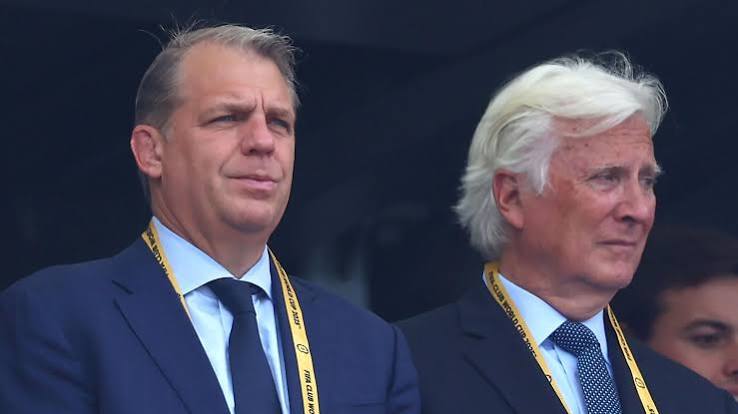


Todd Boehly and Mark Walter have sold their combined 25.6% stake in Chelsea FC to Clearlake Capital, ending a four-year, multi-headed ownership experiment and handing the Los Angeles private equity firm full control of the club. The deal, which values Chelsea at around £5 billion including debt, sees Boehly step down as chairman and both men exit the boardroom as Clearlake consolidates its grip on sporting strategy, recruitment, and long-term planning.
On the surface, Chelsea have stressed continuity: day-to-day operations, leadership structures, and the existing football strategy will remain unchanged during the transition. Clearlake co-founders Behdad Eghbali and Jose E. Feliciano, who have increasingly run the club since early 2023, now have unchallenged authority to execute their vision without the need to negotiate with Boehly or Walter on key decisions. In practice, this means a more streamlined chain of command from the board to the sporting directorate, with fewer internal veto points on recruitment, contracts, and managerial appointments.
The most immediate impact is likely to be felt in Chelsea’s recruitment model. Under the Boehly-Clearlake consortium, the club has spent over £1 billion on players, using long-term contracts and a data-driven approach to spread amortisation and manage Financial Fair Play constraints. Critics have argued that the multi-owner structure sometimes led to conflicting priorities: Boehly’s public emphasis on rapid squad overhaul versus Clearlake’s focus on sustainable asset-building and eventual profit. With Clearlake now in sole control, the expectation is a tightening of that model: fewer marquee splurges, more targeted investments in younger profiles, and a clearer alignment between transfer policy and the club’s financial engineering.
For the sporting directorate, the shift reinforces the power of the existing football leadership team. Clearlake has already placed its people in key roles, from the board to the analytics and recruitment departments, and the removal of Boehly and Walter reduces the risk of parallel decision-making channels. That should give the director of football and coaching staff greater clarity on the type of player targeted, the length of contracts offered, and the tolerance for high-fee, short-term fixes. In theory, this makes Chelsea’s recruitment more predictable and less reactive, even if the overall spend remains high by Premier League standards.
Financially, the transaction is a secondary share sale: no new equity flows into Chelsea, no debt is repaid, and the club’s underlying revenue and cost base are unchanged. What changes is who decides how money is allocated. Clearlake’s full control strengthens its hand in future capital decisions, whether that involves additional investment, refinancing, or potential minority listings of the football business. It also simplifies governance ahead of any further expansion of the BlueCo multi-club model, with Strasbourg now under the same unified ownership umbrella as Chelsea.
The broader message is one of consolidation rather than revolution. Clearlake has repeatedly stated its ambition for Chelsea to compete for the Premier League and major trophies, and the buyout of Boehly and Walter is designed to remove friction, not reset direction. For supporters, the hope is that a clearer chain of command translates into more coherent recruitment, fewer public disputes over strategy, and a football project that feels less like a work in progress and more like a defined pathway.
In boardroom terms, the Boehly-Walter era is over; in football terms, the Clearlake era simply becomes more absolute. The test now is whether that concentrated control delivers the consistency on the pitch that the new structure promises off it.