
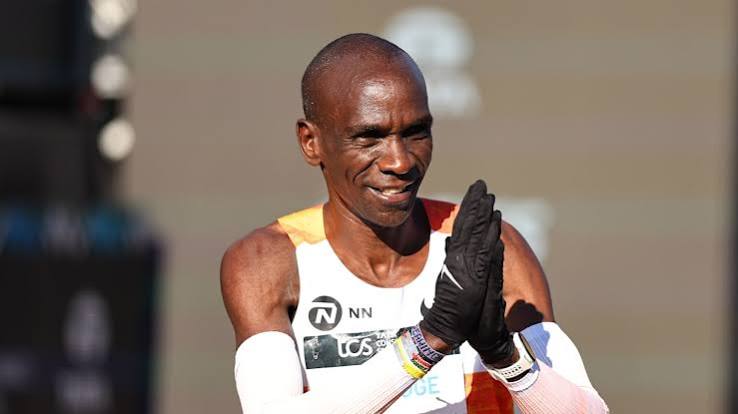


At the Dakar 2026 Youth Olympic Games, the most powerful stories are unfolding away from podiums and medal tables. Marathon great Eliud Kipchoge and Brazilian skateboarding star Rayssa Leal are using their Global Ambassador roles to mentor young athletes, with a particular focus on the first Refugee Olympic Team to compete at a Youth Olympic Games.
Dakar 2026 is historic for more than one reason. It is the first Olympic sporting event to be held on African soil, bringing together around 2,700 athletes aged up to 17 across the host zones of Dakar, Diamniadio and Saly from October 31 to November 13. The Games are also the first Youth Olympic edition to feature a Refugee Olympic Team.
Kipchoge’s involvement carries particular weight. The two-time Olympic marathon champion has been mentoring refugee athletes since 2023, and at Dakar he has continued that work through sessions focused on discipline, education, values and the mindset required to succeed both in sport and in life.
For the six young refugee athletes competing in athletics, judo and taekwondo, his message is direct: they belong on the same stage as every other competitor. Kipchoge has told them that they are equal, that they should compete without fear, and that sport can help remove boundaries and build unity.
The Refugee Olympic Team is supported by the International Olympic Committee, the Olympic Refuge Foundation, UNHCR, World Athletics and the National Olympic Committees of Kenya and Uganda. The athletes were selected from Kakuma Refugee Camp in Kenya and refugee settlements in Uganda, and prepared at altitude in Kenya’s Rift Valley before travelling to Senegal.
Their participation is about more than results. The team is led by Chef de Mission Yiech Pur Biel, who competed for the first Refugee Olympic Team at Rio 2016. His presence gives the Dakar athletes a living example of how a sporting pathway can open doors beyond competition, even when circumstances have forced athletes to rebuild their lives far from home.
Kipchoge’s mentoring is therefore not framed as charity. It is an exchange between an athlete who has spent more than two decades at the top of endurance sport and young competitors learning how to handle pressure, setbacks and ambition. He has said that his aim is to help them understand that they have the same potential and opportunities as athletes representing national teams.
Rayssa Leal brings a different but equally important perspective. At 18, the two-time Olympic skateboarding medallist is close enough in age and experience to understand the anxieties facing the Dakar athletes. As a Global Ambassador and one of 36 Athlete Role Models, she is sharing lessons from her own rapid rise while encouraging young competitors to enjoy the moment rather than be overwhelmed by it.
Her advice is simple: “feel powerful.” For Leal, the Youth Olympic Games are not only a stepping stone towards senior competition, but a rare opportunity to build confidence, meet athletes from other cultures and recognise that sporting identity is bigger than a single result.
That message fits the wider purpose of the Youth Olympic Games. Alongside competition, athletes take part in educational activities, workshops and team-building exercises designed to develop Olympic values, cultural awareness, communication skills and better training habits. The Games are designed to develop people as well as performers.
The presence of Kipchoge and Leal gives that philosophy a human face. One represents endurance, patience and long-term discipline; the other represents youthful creativity, courage and the freedom to express oneself through sport. Together, they demonstrate that elite achievement and generosity towards the next generation can exist in the same sporting culture.
Dakar 2026 may produce future champions, but its deeper legacy could be the belief it gives young athletes who have rarely seen themselves represented at the highest level. For the Refugee Olympic Team, and for grassroots competitors across Africa and beyond, the most valuable prize may not be a medal. It may be the certainty that their dreams deserve a place on the world stage.