
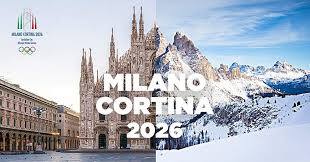


The 25th Winter Olympics launched with grandeur on February 6, 2026, as Milan and Cortina d’Ampezzo came alive under crisp Alpine skies, blending urban spectacle with mountain tradition. At Stadio San Siro, Milan’s iconic football cathedral hosted a ceremony fusing Italian opera, high-fashion parades, and LED-lit drones forming Olympic rings, drawing 85,000 spectators who braved light snow for athlete oaths and torch handoffs.
Ski Mountaineering’s Olympic debut stole early focus, showcasing vertical racing where athletes sprint uphill on skins, transition to downhill carries, and battle endurance formats over Dolomites peaks. Competitors like Italy’s Michiel Zangrando and France’s Emily Harrop previewed medal potential in sprint and individual events, blending trail running grit with ski agility—a nod to climate-adaptive sports gaining traction amid shrinking glaciers.
Milano Cortina’s true innovation lies in its split-venue blueprint, stretching 350 kilometers from Milan’s metropolitan arenas to Cortina’s historic slopes—the widest geographic span in Winter Games history. This decentralized model sidesteps “White Elephant” pitfalls, repurposing existing infrastructure to slash costs and environmental impact. San Siro handles ceremonies and indoor events like figure skating, leveraging its 75,000 capacity without new builds. Cortina revives 1956 venues for alpine skiing and bobsled, while Valtellina hosts snowboarding—minimizing concrete footprints that plagued Sochi 2014 or Beijing 2022.
Sustainability drives this vision. Over 65% of facilities pre-exist, cutting construction emissions by 40% versus traditional models, per IOC audits. Milan’s Santa Giulia district ice rinks use geothermal cooling; Cortina’s lifts run on hydroelectric power, offsetting 20,000 tons of CO2. Transport hubs—high-speed trains linking Milan to Verona in 50 minutes—slash air travel, with 80% spectator journeys carbon-neutral. No athlete village mega-builds: compact eco-lodges dot valleys, powered by solar arrays and waste-to-energy plants.
This blueprint charts Olympics’ evolution amid fiscal and climate pressures. Post-Grenoble 1968, host cities grapple with abandoned shells costing billions—Athens’ beach volleyball court rusts; Rio’s mountains loom empty. Milano Cortina flips the script: modular arenas disassemble post-Games for regional use, like biathlon tracks becoming cross-country trails. Split venues foster legacy continuity—Cortina’s bobsled run, refurbished at €25 million, serves World Cups through 2034, generating tourism year-round.
Critics note logistics strains: weather variances challenge scheduling, and rural shuttles test accessibility. Yet data counters: Milan-Verona rail handles 200,000 daily riders seamlessly, while drone deliveries cut truck emissions. Ski Mo’s inclusion amplifies relevance—its low-infrastructure courses adapt to variable snow, modeling sports for a +1.5°C world.
For European and North American fans, this resonates deeply. Italy’s hybrid honors Cortina’s heritage—where Stein Eriksen won the first men’s downhill—while Milan’s glamour draws urban crowds. North America’s Whistler 2010 echoed splits but lacked green mandates; Milano Cortina sets precedents for 2034 Italian bids or Salt Lake City’s 2034 revival.
As flames flicker across divides, this model proves Olympics can thrive without excess. Decentralized, reused, resilient—Milano Cortina doesn’t just host; it redefines endurance, ensuring winter magic endures beyond closing ceremonies.