
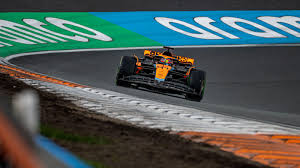


Formula 1’s 2026 calendar introduces the electrifying Madrid Grand Prix, or “Madring,” with fresh track details sparking intense debate among engineers and fans alike. At the heart of this 5.47-kilometer circuit looping through urban Madrid lies “La Monumental,” a daring 24-degree banked corner that dwarfs most rivals in sheer audacity. Steeper than Zandvoort’s 18-degree tilt and closing in on Daytona’s 31-degree wall of death, this turn demands precision at speeds exceeding 280 km/h, funneling cars onto a blistering straight primed for the season’s “Manual Override” overtaking system. As heavier 2026-spec cars—laden with advanced battery packs—roll into town sans DRS, all eyes fixate on whether Pirelli’s redesigned rubber can tame this beast without echoing past catastrophes.
To grasp the stakes, rewind to Indianapolis 2005, when a mere 9-degree banking triggered the great tyre debacle. Michelin-shod teams watched compounds shred under lateral G-forces, stranding half the grid in protest and exposing F1’s fragility at the limit. Teams like Ferrari and Jordan limped through on harder compounds, but the fallout reshaped tyre wars, birthing mandatory supplier Pirelli and rigorous testing protocols. Fast-forward two decades: Madrid’s 24 degrees multiplies those stresses exponentially. Physics doesn’t forgive—banking amplifies downforce needs while compressing sidewalls, especially with cars now tipping 900-plus kilograms thanks to hybrid evolutions and sustainability mandates. Pirelli boasts 2026 tyres with reinforced casings and adaptive silica blends for heat management, but skeptics whisper of overconfidence.
Picture the lap: cars rocket into La Monumental post-hairpin, climbing the camber like bikers on a velodrome. At apex, lateral acceleration hits 4.5G, squeezing tyres into oblivion as drivers feather throttle for exit traction. The payoff? A 1.2-km straight where Manual Override—unlocking brief engine boosts via battery deploy—enables slingshot passes, mimicking IndyCar’s Push-to-Pass but tethered to energy regen. Genius on paper, but tyre survival becomes the wildcard. Simulations circulating in paddock whispers project wear rates 30% higher than Monza’s chicanes, with front-left compounds (taking the brunt on right-handers) at risk of delamination if track temps spike above 50°C—a Madrid summer staple.
Pirelli’s response? Aggressive carcass plies and lower camber profiles to distribute loads, tested rigorously at their Milan skunkworks. Yet doubts linger: 2026’s wider contact patches and ground-effect aero amplify grip dependence, mirroring Indy ’05’s mismatch between simulation and reality. Teams like Red Bull and Mercedes already lobby for compound tweaks, fearing a mid-race pile of shredded slicks derailing debuts. Ferrari’s Fred Vasseur quipped it’s “Daytona lite with F1 spice,” but beneath the bravado lies genuine concern—Madrid’s urban heat island could turn La Monumental into a rubber recycler.
This isn’t scaremongering; it’s a clarion call for vigilance. The tyre war never truly died—it evolved into Pirelli’s monopoly, now tested by banking extremes. If La Monumental claims scalps, expect FIA-mandated interventions, perhaps split compounds or banking shave-downs. Success, however, cements Madrid as F1’s boldest addition since Miami, blending street-circuit chaos with oval daring. As drivers like Verstappen and Hamilton sample it in sims, the question looms: innovation or impending implosion? F1 thrives on risk, but Madrid’s killer curve could reignite the ultimate battle—man, machine, and molecule against gravity’s unyielding pull.