
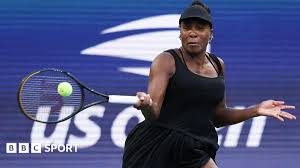


The 2026 Australian Open curtain rises on January 18 with a story transcending brackets and rankings: Venus Williams, at 45, steps back into Melbourne Park’s main draw via wildcard, becoming the oldest woman ever to compete there. Her first-round clash against 25-year-old Olga Danilovic spans not just 20 years but generations of racket sports evolution, turning Court 6 into a living timeline. This isn’t about hoisting another Venus Rosewater—it’s a defiant celebration of endurance, where showing up outshines scorelines in sport’s relentless youth cult.
Few athletes dare mid-40s elite competition, making Venus’ comeback rarer than a golden set. Tom Brady slung Super Bowl passes at 45 for the Buccaneers’ 2021 triumph, defying arm clocks through film-room obsession. LeBron James, 41, still dunks for the Lakers, logging 40-minute nights via hyperbaric chambers and cryotherapy. Venus mirrors their blueprint: selective scheduling post-2021 autoimmune struggles, cherry-picking warmups like Auckland and Hobart to sharpen serves minus grind. Her 2025 DC Open upset—a 6-3, 6-4 dissection of 23-years-younger Peyton Stearns—proved the serve-volley blueprint endures, even if hip mobility trades baseline wars for net rushes.
Danilovic, Serbia’s world No. 52, embodies the opponent gap. The 2020 French Open quarterfinalist packs two-handed backhand pop and flat groundstrokes suited to Melbourne’s pace, fresh off a Hobart semifinal. At 25, she’s chased Venus since junior circuits, idolizing Williams’ 2000s dominance—seven Slams, Olympic golds, that 128-mph serve topping charts. Expect Olga’s aggression to test Venus early: deep returns forcing neutral rallies, where age saps endless defense. Venus counters with experience—54-21 AO record, two finals lost to Serena (2003, 2017)—using slice backhands to disrupt rhythm and upstairs serves exploiting Danilovic’s second-serve return woes.
This return prioritizes legacy over leaderboard leaps. Venus, post-November wedding to model Andrea Preti, frames Melbourne as “homecoming,” evoking 1998’s sister-slaying second-round upset en route to quarters. Beyond wins, she pioneers: EleVen apparel empire, advocacy for equal prize money (that $23.5 million AO payout she helped secure), and inspiring Black women in a circuit whitening post-Serena. Competing at 45 shatters Kimiko Date’s 44-year-old record, signaling tennis welcomes elders—not as novelties, but architects whose wisdom outlasts primes.
Fan fervor amplifies impact. Melbourne’s “Happy Slam” vibe suits sentimentality; expect standing ovations rivaling Federer’s farewells. Young guns like Coco Gauff cite Venus’ power game as blueprint, while retirees ponder “what if” longevity regimens. Danilovic wins probable—youth’s 75% edge in five-set equivalents—but Venus stealing a set scripts magic, echoing 2025 US Open doubles quarters with Leylah Fernandez.
In tennis’ churn—where 18-year-old phenoms debut weekly—Venus’ stride embodies defiance. No trophy chase, just presence: proving 45 isn’t finale, but encore. As aces fly Sunday, Melbourne honors not points won, but battles waged across decades. Legacy isn’t etched in hardware; it’s living legend, serve by serve.