
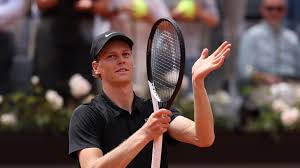


The rain delay in Rome may have done more than pause play; it may have completely changed the emotional shape of the semi-final between Jannik Sinner and Daniil Medvedev. With Sinner leading 6-2, 5-7, 4-2 and just two games away from the final, the interruption arrived at the most delicate moment of the match, right when momentum was tilting back toward the home favorite.
What made the opening stages so fascinating was the rhythm shift across the three sets. Sinner started with authority, using his cleaner ball-striking and heavier pace to dictate from the baseline and keep Medvedev pinned deep behind the court. Medvedev responded in the second set the way he often does: by absorbing pressure, extending rallies, and waiting for the first dip in the opponent’s level. That claw-back was classic Medvedev tennis. But by the time Sinner moved ahead in the third, the match had begun to reflect his superior intensity and timing again.
That is why the rain matters so much. A delay in tennis is not just time off court; it is a reset of momentum, tension, and decision-making. For a player like Sinner, who relies on rhythm, aggression, and a constant sense of forward pressure, a stoppage can be a nuisance because it interrupts the flow he has built. When he is striking the ball cleanly and feeling the court, he wants the match to keep moving. Any pause risks cooling that fire, especially when the finish line is already visible.
For Medvedev, though, the delay could be a lifeline. As a deep-court defender and counterpuncher, he is often at his best when he gets time to breathe, recalibrate, and mentally rebuild the problem in front of him. If he was being pushed around before the rain, the interruption gives him a chance to slow the pace, flatten the energy of the stadium, and return with a cleaner defensive plan. In matches like this, Medvedev does not always need to change the score immediately. He just needs the game to become uncomfortable enough for the aggressor.
That is what makes the pause so intriguing from a psychological standpoint. Sinner was in control, but not completely safe. Medvedev had already shown he could claw back one set and had enough experience to know that a mid-match interruption can reset the mental balance. The delay effectively turns the rest of the semi-final into a new contest, even if the scoreboard still shows Sinner in front.
Home-soil pressure adds another layer. Sinner is not only trying to reach another final; he is carrying the weight of expectation in front of a partisan Rome crowd. A delay can magnify that pressure because the player leading the match has more to lose when play resumes. Every missed first ball, every tentative return, and every long rally can suddenly feel heavier. Medvedev, by contrast, can come back with less emotional burden and more tactical patience.
So while the rain may look like a simple weather interruption, it has already changed the story. Before the stoppage, Sinner had the upper hand. After it, the match becomes a test of who can recover their identity faster. In that sense, the weather has not just paused the semi-final. It has rewritten its momentum.