
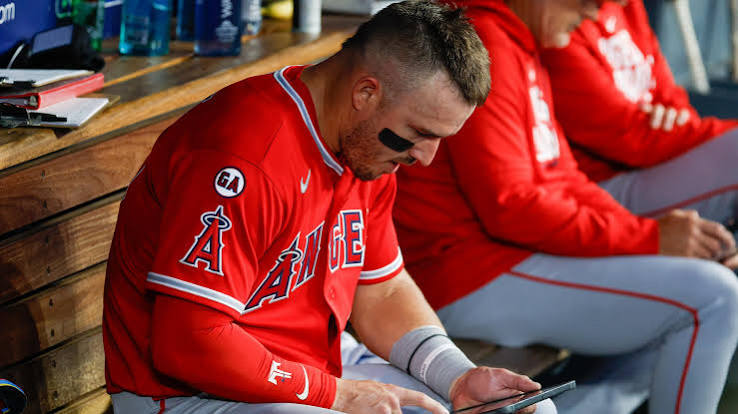


Major League Baseball’s post-All-Star stretch is where seasons start to take shape, and the late-July runway to the trade deadline adds another layer of urgency. Contenders are separating themselves, bubble teams are deciding whether to buy or sell, and front offices are leaning harder than ever on analytics and AI to find edges that might decide a division, a wild-card spot, or even a championship.
What makes this part of the calendar so compelling is that the game is no longer driven only by instinct and scouting reports. Modern teams are using pitch-tracking AI, predictive models, and live data feeds to support in-game decisions in real time. That does not mean the manager is replaced. It means the bench now has a deeper information layer behind every call, from bullpen usage to defensive alignment to whether a hitter should see a different pitch mix in a high-leverage spot.
The most interesting shift is how AI helps process patterns faster than any human staff could on its own. A club can now identify tendencies in a pitcher’s release point, see how a batter handles certain spin types, and adjust pitch selection based on matchup history and current game state. In practical terms, this often shows up as better sequencing decisions, more informed mound visits, and quicker recognition of when a pitcher is losing command before the damage becomes visible on the scoreboard.
This is especially valuable in the stretch run, when one mistake can swing an entire series. In a pennant race, teams cannot afford to wait until a starter has clearly unravelled or a reliever has already faced the heart of the order too many times. AI-assisted tools help staffs spot warning signs earlier, giving managers and pitching coaches a chance to act before a game slips away. The best use of the technology is subtle: not flashy, but often decisive.
The trade deadline is another place where analytics has become central. Bullpen help is always in demand, and teams chasing October success increasingly look for relievers who can handle leverage rather than simply pile up saves. That is where metrics such as xERA matter. Expected ERA gives front offices a way to estimate what a pitcher’s run prevention should look like based on quality of contact, strikeouts, walks, and other indicators, rather than relying only on traditional ERA, which can be affected by luck or defensive support.
For teams shopping for bullpen upgrades, xERA can reveal hidden value. A reliever with a modest ERA but strong underlying indicators may actually be a better bet than a more famous arm with shakier command or poor contact quality. Front offices also study swing-and-miss rates, fastball shape, chase percentage, and how a pitcher performs in high-pressure innings. In a market where elite relievers can be expensive, finding one undervalued arm can alter the course of a postseason push.
The broader story is that MLB’s late-July race now operates on two tracks. On the field, clubs are fighting to stay alive in crowded standings. Off the field, they are using every available data tool to refine decisions and improve their odds. The game still belongs to the players, but the information shaping those players’ opportunities is more sophisticated than ever.
As the deadline approaches, the teams that combine sharp baseball instincts with smart analytical use are usually the ones best positioned to survive the grind. In 2026, that means the pennant race is not only about talent and timing. It is also about how well a club can turn data into wins.