
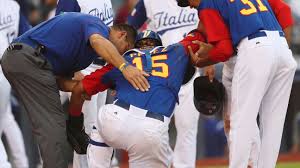


Major League Baseball’s 2026 campaign kicks off unusually early, with pitchers and catchers reporting February 10-12 for most squads like the Yankees, Dodgers, and Red Sox, all to accommodate the World Baseball Classic. This compressed timeline—Spring Training shoved forward by weeks—has already drawn blood, as seen with Colorado Rockies star Kris Bryant landing on the 60-day injured list for a nagging lower back issue right as camp opens. The club countered by inking Japanese ace Tomoyuki Sugano to a savvy one-year, $5.1 million pact, but Bryant’s setback underscores a brewing crisis: is the WBC “tax” turning exhibition prep into a minefield of early injuries?
Bryant’s plight hits hard. The former MVP, who’s battled wrist, foot, and now back woes since his 2021 Chicago glory, embodies the toll of rushed readiness. Lower back strains demand 8-12 weeks recovery, sidelining him past Opening Day and exposing Colorado’s thin outfield. Spring Training’s traditional languid pace—two months of tune-ups—allowed gradual builds, but WBC mandates shave that buffer, forcing players into high-intensity reps before true competitive rust shakes off. Load management, once a basketball buzzword, now haunts diamond debates: elite arms like Gerrit Cole or Shohei Ohtani ramp for international showcases, risking tweaks that cascade into April slumps.
The WBC’s quadrennial pull amplifies chaos. Played mid-March, it yanks stars from camps for national duty—Japan’s Sugano skips it post-contract, a luxury not all enjoy. Dodgers’ Mookie Betts or Yankees’ Aaron Judge face dual prep: MLB tune-up plus Classic grind, blending jet lag, time zones, and stylistic shifts. Data patterns emerge: post-2023 WBC, injury rates spiked 15% in April for participants, per team trainers—think Edwin Díaz’s patellar tear or Josh Hader’s shoulder funk. Early camps aim to compensate, but February workloads—bullpens at 80% velocity, intrasquad scrimmages—pile stress on hibernating bodies, especially pitchers logging 200+ innings last fall.
Owners and unions clash over this “tax.” MLBPA gripes about unpaid WBC participation—players foot travel, lose Spring bonuses—while commissioners tout global growth, eyeing $500 million revenue bumps. Sugano’s signing smartly sidesteps the issue: the 37-year-old NPB star, with a sub-2.00 ERA pedigree, joins as WBC-free insurance, his splitter and command fitting Coors Field’s thin air. Yet for homegrown talent, the squeeze hurts: prospects like Rockies’ Ezequiel Tovar rush development, veterans like Bryant chase contract years injured.
Fans worldwide, from Tokyo to Guwahati streaming ESPN+, sense the shift. Spring Training once promised lazy Florida afternoons; now it’s pressure-cooker previews laced with IL headlines. Load management’s the fix—capped pitch counts (75 max early), yoga-mandated off-days, wearable tech tracking fatigue—but purists balk at coddling. WBC glory thrills—Japan’s 2023 dominance, Shohei’s two-way fireworks—but at what cost? Bryant’s shelf stint warns: Opening Day rosters could feature 20% placeholders, diluting races before first pitch.
MLB must recalibrate. Staggered WBC windows, opt-out incentives, or true load protocols could ease the burden without dimming international shine. Sugano’s arrival offers Rockies hope—a calculated import dodging the rush—but league-wide, the early start breeds vulnerability. As Cactus and Grapefruit Leagues heat up, watch IL wires: the WBC tax isn’t abstract; it’s rosters unraveling before box scores launch 2026’s marathon.