
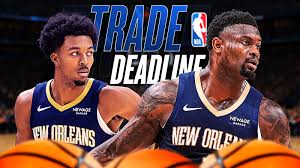


With the NBA trade deadline looming on February 5, Golden State Warriors’ aggressive overtures for New Orleans Pelicans stars Zion Williamson and Trey Murphy III have slammed into a brick wall, as reports confirm the Pelicans are firmly “stonewalling” any deals involving their core pieces. The Warriors, scrambling to salvage a playoff push amid a middling Western Conference standing, have dangled packages headlined by Jonathan Kuminga and picks, but Pelicans executive VP David Griffin has drawn a hard line: Zion, Murphy, and Herb Jones are all deemed untouchable, signaling New Orleans’ commitment to contending around their young nucleus despite injury hiccups. This rejection underscores Golden State’s mounting panic as Stephen Curry’s championship window narrows, forcing Steve Kerr to rethink a roster clinging to past glories.
Golden State’s frenzy stems from a perfect storm of urgency. At 32-22 and hovering outside the play-in, the Dubs sit seventh in the West, watching dynasties like OKC and Denver pull away while Curry, now 37, logs heavy minutes without reliable secondary scoring. Zion’s explosive interior dominance—averaging 25 points and 8 rebounds when healthy—paired with Murphy’s sharpshooting wing versatility (43% from three on high volume) represented a dream fit: plug Zion into the Warriors’ motion offense for pick-and-roll mayhem with Draymond Green, and station Murphy off-ball to feast on Curry’s gravity. Kuminga’s athleticism tempted, but reports leak that New Orleans views him as expendable surplus next to Murphy’s proven two-way impact, especially with Herb Jones anchoring elite perimeter defense. Griffin’s stance reflects Pelicans’ optimism: Zion’s slimmed-down frame hints at durability gains, CJ McCollum’s steadiness complements, and a healthy Brandon Ingram could vault them top-four.
Why the desperation for Warriors brass? Curry’s twilight demands action. Post-2022 championship, Golden State flamed out early via injuries to Gary Payton II and Klay Thompson, barely sneaking play-in relevance last spring before a Memphis rout. Now, with Thompson departed and Buddy Hield underperforming as his replacement, Kerr lacks consistent firepower beyond Curry’s 28-point heroics and Andrew Wiggins’ inconsistency. Acquiring Zion would’ve been seismic—a bully-ball contrast to their small-ball roots—potentially resurrecting Finals contention by overwhelming mismatches in a Curry-Zion pick duo. Murphy, at 25, offers long-term glue without gutting the timeline. Yet Pelicans’ rebuff exposes the Warriors’ leverage vacuum: post-Durant trades depleted their assets, leaving scraps like 2027 picks that barely move needles for rebuilding squads, let alone contenders like New Orleans eyeing a deep playoff run.
This stonewall reverberates league-wide. Pelicans buy peace, betting internal growth over hasty swaps—smart if Zion stays upright, risky if McCollum’s minutes wear thin. For Golden State, rejection forces pivots: lowballing for Malcolm Brogdon or eyeing buyout bait like Gordon Hayward won’t suffice. Critics question if maximizing Curry’s window justifies mortgaging youth like Kuminga, whose 16-7 stat line screams star potential, or if Kerr should embrace a tank for lottery luck. Steve Ballmer’s Clippers parallels loom—panic trades rarely pan out—yet Warriors’ history of deadline magic (Oubre last year) fuels hope.
As Feb 5 nears, expect Steve Kerr to pivot to cheaper fixes, but Pelicans’ resolve spotlights a truth: desperation rarely trumps conviction. Can Golden State conjure contention sans splashy hauls, or does Curry’s era fade quietly? Zion and Murphy stay put, but Warriors’ deadline roulette spins on—proving trades win headlines, but contention demands more.