
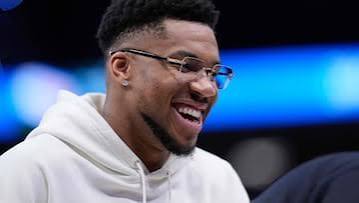


The Barclays Center lights will shine on the 2026 NBA Draft class tonight, but the real drama may be happening off-court. While lottery teams parse workout tapes and executives whisper over AJ Dybantsa, Darryn Peterson, Cameron Boozer and Caleb Wilson, an audacious trade market — fuelled by persistent Giannis Antetokounmpo rumors — threatens to swallow the night. That shift in focus says as much about the NBA’s present power dynamics as it does about how franchises value instant championship currency over long-term prospect projects.
On paper, the draft is stacked with tantalizing talent. The Washington Wizards’ choice at No.1 could shape their rebuild for a decade: Dybantsa’s two-way upside offers immediate defensive juice and scoring versatility, while Peterson’s polished floor game tempts teams hunting a ready-made lead. Memphis, linked to Cameron Boozer at No.3, would be adding frontcourt youth with a blend of physicality and skill. Caleb Wilson to Chicago at No.4 would underpin a bulls-eye draft-and-develop plan. These are meaningful decisions with ripple effects across rotations and player development pipelines.
But the draft’s theater has been muted by trade noise. The Bucks’ reported openness to moving Giannis is a seismic storyline — not just because of his individual greatness, but because any trade involving him would remake conferences. Discussions naming the Miami Heat and Boston Celtics among interested suitors add combustible possibilities: Miami’s cap flexibility combined with Tyler Herro and a mid-first-round pick; Boston’s championship culture and willingness to restructure a core; or even more creative multi-team designs that reshape several rosters at once. For teams watching the board, drafting suddenly carries a different calculus: do you take the best prospect available, or the best player who fits a landscape where a Giannis move could reorient title chances overnight?
A Giannis trade would rewire competitive balance. For the acquiring franchise, adding a generational two-way force immediately vaults them into title contention, compressing their rebuild timeline and shifting how rivals plan free agency and draft strategy. For the Bucks, trading him would mean a strategic reset — acquire young stars, draft capital, and salary flexibility to rebuild around Khris Middleton or a new core. The franchise calculus is brutal: extract maximum return for a once-in-a-generation asset, or hold and attempt to retool around him amid uncertain timelines.
The ripple effects extend far beyond those two teams. A Giannis relocation could trigger domino trades as contenders scramble to counterbalance the new superteam: sign-and-trades for wing scorers, aggressive draft-night swaps to chase ready talent, or even front-office overhauls as teams reposition. Suddenly, draft picks that once looked developmental become immediate components in blockbuster deals. International scouting offices, long-term development plans, and cap projections get reassessed in real time.
For tonight’s prospects, that environment is double-edged. On one hand, a blockbuster trade spree could elevate the value of certain players — a young shooter or combo-forward suddenly becomes a coveted finishing piece for a team chasing an upgraded roster. On the other, the chaos can bury the developmental path: teams pursuing instant upgrades may deprioritize long-term grooming, affecting minutes and progressive plans for rookies expected to grow into roles over seasons.
From a league perspective, the spectacle is a ratings goldmine. The draft becomes part prospect showcase, part transfer window drama — a confluence that draws casual viewers who might otherwise skip a standard draft night. But there’s also risk: the increasing emphasis on immediate superstars can accelerate roster churn and shorten the patience franchises show for player development, potentially reshaping the NBA’s competitive ecology.
Ultimately, tonight risks being remembered less for which college phenom becomes a franchise cornerstone and more for whether the Bucks decide to change the course of a decade by moving Giannis. If a blockbuster lands, the rookie class will find themselves stepping into a dramatically altered league where some teams chase relevance in months, not years. If the rumors fizzle, the draft’s importance as a cornerstone of roster construction returns to the fore.
Either way, this draft night will tell two stories: one about tomorrow’s talent and another about how franchises now weigh long-term projects against the blunt instrument of immediate star power. In 2026, the NBA’s young prospects may need to be ready not only to adapt to the professional grind but to navigate a trade market that can remake the game overnight.