
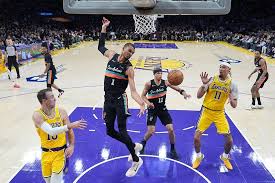


The NBA All-Star Weekend descends on San Francisco this February 15, a glittering showcase amid brewing storm clouds over the league’s integrity. Heavy fines slamming the Utah Jazz and Indiana Pacers for alleged “tanking” have ignited fierce debate, coinciding with rookie phenom Nikola Topic’s inspiring debut after overcoming a grueling health scare. As superstars like LeBron James and Giannis Antetokounmpo prep for Skills Challenges and the marquee game, the question looms: do these penalties truly safeguard basketball’s competitive soul, or are they performative slaps on a systemic wrist?
Tanking—intentionally underperforming to secure high draft picks—has haunted the NBA since the post-Jordan era, weaponizing lottery odds to accelerate rebuilds. The Jazz, mired in a 15-game skid, and Pacers, despite playoff pretensions, drew ire for resting stars like Lauri Markkanen and Tyrese Haliburton in key matchups, netting six-figure league sanctions. Critics point to suspicious loss streaks: Utah’s 112-95 thud against lottery-bound Detroit, where starters sat the entire fourth; Indiana’s baffling rotations yielding 22 turnovers versus tanking hopefuls. NBA Commissioner Adam Silver’s office framed it as a “clear violation of competitive standards,” echoing past punishments like the 2024 Clippers fine. Yet fines barely dent billion-dollar franchises—Utah’s $500K penalty equals 0.01% of their market value, a rounding error amid $2.7B TV deals.
This crackdown spotlights the ethical tightrope of rebuilding. Tanking fuels parity: post-2019 lottery reforms, bottom feeders like Orlando vaulted to Paolo Banchero via luck, birthing contenders. Without it, perennial losers like pre-2021 Pistons rot in purgatory, alienating fans with 20-win sludge. Topic’s saga humanizes the upside— the Serbian guard, sidelined a year by ACL tears and cardiac issues, dazzled in his debut with 18 points and crafty drives, a testament to draft upside. But unchecked tanking erodes trust: 68% of fans in recent polls distrust standings integrity, boycotting rebuild TV ratings. Fines aim to deter overt sabotage—load management disguised as strategy—but fail against subtle sins like “soft scheduling” or injury timing.
Compare to MLB’s farm systems or NFL drafts: basketball’s youth pipeline thrives on stars like Victor Wembanyama, whose 2023 Spurs landing sparked hope. Yet ethics demand balance. Silver’s penalties feel toothless without structural overhauls: lottery caps at three picks per team, play-in incentives for bottom feeders, or trade deadlines curbing asset dumps. Jazz owner Ryan Smith decried fines as “misguided,” arguing transparent rebuilds—tanking admitted—beat fake contention. Pacers GM Chauncey Billups echoed: “We’re building sustainably, not cheating.” True deterrence needs carrots: tax breaks for mid-tier spending, revenue shares favoring competitors. All-Star optics amplify urgency—Topic’s triumphant dunks beside Shai Gilgeous-Alexander contrast tankers’ shadows.
Ultimately, fines punish symptoms, not disease. Tanking persists because losing accelerates relevance in a star-driven league, where lottery unicorns like Topic mint narratives. Protect integrity by rewarding effort: bonus picks for developmental wins, fan-voted incentives. As San Francisco’s Chase Center hosts All-Star splendor, the NBA must evolve beyond fines—embrace transparency, or risk fans tuning out rebuild charades. Topic’s resilience reminds us: basketball thrives on hope, not manipulation. The commissioner’s next move defines the sport’s moral compass.