


The 2026 NBA offseason has become a case study in how the league’s new CBA is forcing contenders to make brutal choices. Rather than quietly retooling around their stars, teams like Boston and Los Angeles are being pushed toward seismic trades, with the second-apron penalties making it harder to keep expensive, top-heavy rosters intact.
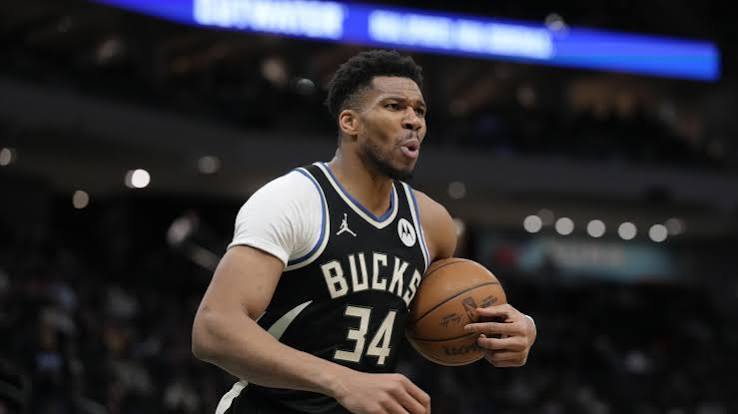
The clearest sign of that pressure is the way elite names have been moved or pushed toward the market. Giannis Antetokounmpo’s move to Miami gives the Heat a new superstar core, while LeBron James’ departure from the Lakers and entry into unrestricted free agency reflects a franchise recalibrating around the realities of roster cost and flexibility. Jaylen Brown’s trade to Philadelphia for Paul George underlines the same point: even teams that have won with star power are now being forced to decide whether to keep paying for the top of the roster or convert value into depth and draft assets.
That is the real fallout of the second apron. The penalty structure does not just tax spending; it limits roster-building pathways, making it harder to aggregate contracts, sign replacement talent, and maintain a deep bench around multiple max players. In practice, that means contenders can look strong on paper but become fragile in a playoff series when injuries, aging, or matchup problems expose the lack of affordable support pieces.
Boston’s move fits that logic almost perfectly. Brown was still producing at a high level, yet the Celtics chose to turn a premium star into a different premium star plus picks, suggesting that even a title-winning core can be sacrificed if the long-term cost of staying all-in becomes too high. Philadelphia, meanwhile, is betting that Brown can fit beside Joel Embiid and Tyrese Maxey without the same financial squeeze, a gamble that illustrates how quickly the league’s power balance can change when a single star becomes available.
Los Angeles is facing a similar dilemma, though in a different form. With LeBron no longer tied to the Lakers, the franchise is suddenly able to think less about preserving the past and more about redesigning the future. That kind of pivot is often painful in the short term, but the cap environment is making it almost unavoidable for teams that have pushed too far into the expensive end of the tax structure.
The other big storyline is how this new landscape rewards teams willing to accept risk. Miami landing Giannis is the boldest example, because it instantly changes the ceiling of the Eastern Conference and proves that a destination team can still strike at the highest level when the opportunity appears. But the move also came at a cost in players and draft capital, showing that even the most ambitious front offices are now paying for elite talent in multiple currencies, not just dollars.
Then there is the Kawhi Leonard angle in Toronto and the Ja Morant-to-Portland shock factor, both of which point to a broader offseason truth: teams are no longer just choosing between contention and rebuilding, but between controlled risk and total reset. In a league shaped by the second apron, the smartest front offices are trying to avoid being trapped in the middle, where the payroll is huge, the depth is thin, and the flexibility is gone.