
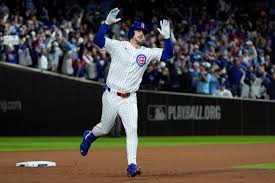


Major League Baseball’s free agency just detonated a thermonuclear event in Los Angeles. Kyle Tucker, the Houston Astros’ lethal lefty slugger, inked a jaw-dropping 4-year, $240 million pact with the Dodgers, thrusting them deeper into uncharted luxury tax territory. This isn’t a mere roster tweak—it’s a financial flex that obliterates competitive equilibrium, painting the boys in blue as the sport’s ultimate heels. With Tucker slotting into a lineup already bloated with supernova talent, the Dodgers aren’t chasing rings; they’re hoarding them, daring the rest of the league to keep up in an arms race rigged from the jump.
Tucker’s arrival supercharges an offense that’s already a pitcher’s nightmare. Picture this video game dream slate: Ohtani leading off with wizardly contact, Betts scorching from the two-hole, Freeman’s surgical pull power, then Tucker lurking as the cleanup crusher—lefty pop that feasts on righties, mashing liners to the opposite field while yanking mistakes into the seats. The Astros’ former cornerstone, who posted a .992 OPS against fastballs last season, brings gap-to-gap authority and 30-homer upside, rendering Dodger Stadium a no-fly zone for arms. Starters groan: Tucker’s opposite-handed thunder pairs with Mookie’s switch-hitting sorcery and Teoscar Hernández’s wall-scraping bombs, creating a “pitcher-proof” gauntlet where even elite heat gets neutralized. Managers nationwide now pencil in extra bullpen rations just for a series at Chavez Ravine.
The real sting? Competitive Balance Tax Armageddon. The Dodgers, perennial tax scofflaws, are projected to shatter the $301 million threshold by a cool $100 million-plus, triggering escalating penalties that’d bankrupt lesser owners. Steve Cohen’s Mets might shrug, but mid-market squads like the Guardians or Reds? They’re sidelined spectators, scraping for scraps while L.A. weaponizes cash to stack aces like Roki Sasaki rumors suggest. MLB’s luxury tax, meant to curb dynastic excess, feels like a speed bump for Guggenheim Baseball—fines fuel their fire, turning “villain” labels into badge-of-honor bravado. Tucker’s megadeal, with opt-outs and deferrals galore, exemplifies the blueprint: pay obscene sums, eat the luxury hit, laugh to October.
For rivals, it’s apocalypse now. The NL West? San Diego’s fever-dream payroll implodes under pressure; the Giants pivot to prospects. Tucker vaults the Dodgers past “superteam” into monopoly territory, cornering lefty power like a cartel boss. Their rotation—Yamamoto’s filibuster changeup, Glasnow’s triple-digit fury, plus Kershaw’s encore—now hides behind an avalanche of run support. Breaking the math of baseball means sustainable dominance: no salary-dump fire sales, just calculated conquests funded by Hollywood dollars. Tucker, at 28 prime prime, locks in five-plus years of terror before free agency beckons again.
Baseball purists howl about parity’s demise, but Dodgers fans toast the tyranny. This signing transcends ink—it’s a manifesto. Tucker embodies their ethos: acquire elite bats, absorb the tax torpedo, dominate the decade. The Fall Classic feels preordained; the commissioner’s office sweats antitrust whispers. In a sport of 30 equal shots, L.A. just purchased a chokehold. Rivals reload in vain—the villains aren’t playing checkers. They’re rewriting chess, one nine-figure swipe at a time.