
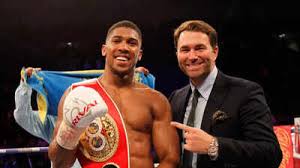


Eddie Hearn delivered a somber update on Anthony Joshua’s boxing future, stressing that the heavyweight star deserves unlimited time to grieve following the devastating car crash in Nigeria that killed two of his closest friends, Sina Ghamari and Latif Ayodele, on December 29. Speaking to Sky Sports on January 15, 2026, the Matchroom promoter emphasized the inappropriateness of boxing talk amid such profound personal tragedy, confirming AJ’s return remains completely open-ended. This marks a rare moment of restraint in heavyweight circles, where Joshua’s next steps carry massive stakes for the division.
The crash shattered Joshua’s world just as 2026 loomed with potential megafights. Ghamari, a longtime confidant from Watford’s boxing scene, and Ayodele, a Nigerian business partner, perished alongside two others when their vehicle collided head-on with a truck on a rain-slicked highway near Lagos. Joshua, who had been vacationing nearby, rushed to the scene and later attended memorial services, sharing heartfelt tributes on social media about bonds forged through shared struggles. Hearn revealed AJ’s emotional turmoil runs deep, pulling him from training camps and family routines alike.
Hearn’s tone carried gravity uncommon in promoter soundbites. “Right now, discussing fights feels wrong—Anthony needs all the time required to process this,” he stated, quashing rumors of imminent bouts against Filip Hrgovic or a Daniel Dubois rematch. Joshua’s last ring action, a gritty decision win over Dubois in September 2025 at Wembley, reignited title hopes after back-to-back Francis Ngannou and Daniel Dubois setbacks. Ranked No. 2 by WBC and WBO, he eyes undisputed glory via mandatory routes, but Hearn prioritizes mental health over timelines. “Boxing waits for no one usually, but this is different—family and friends first,” Hearn added, hinting at paused negotiations with Saudi backers.
This hiatus ripples through a volatile heavyweight landscape. Tyson Fury licks wounds from his Oleksandr Usyk defeats, while Usyk consolidates belts and Agit Kabayel lurks as IBF contender. Joshua’s absence creates a vacuum—Hrgovic vs Martin Bakole possibly fills Wembley in spring, yet lacks AJ’s draw. Promoters scramble: Queensberry’s Frank Warren eyes Fury rematches, but Joshua’s marketability (50M+ PPV buys career) makes his downtime costly. Saudi PIF, fresh off $100M+ investments, grants flexibility, recognizing mental resilience underpins peak performance.
Joshua’s journey adds layers to the pause. From 2012 Olympic gold to two-time heavyweight kingpin, he’s navigated mental health openly post-Usyk defeats, channeling therapy and faith into comebacks. This tragedy tests deeper reserves—losing peers in their prime echoes the fragility he’s preached. Training partners note subdued gym sessions; sparring halted indefinitely. Fans rally with #PrayForAJ campaigns, sharing videos of his charity work in Africa, underscoring a fighter beyond fists.
Hearn’s candor signals maturity in a hype-driven sport. Contrast Jake Paul’s influencer spectacles or Francis Ngannou’s crossover bids—Joshua’s story grounds boxing in humanity. Return odds favor summer 2026, potentially Wembley headliner, but pressure mounts: at 37, ring time dwindles. Success hinges on healing; rushed rebounds risk burnout, as seen post-2022 IBF loss.
Heavyweight chess pauses. Joshua mourns, division recalibrates. When he returns—be it vengeance quest or legacy burn—expect fireworks. For now, respect reigns: the ring silences itself for a brother in pain.