
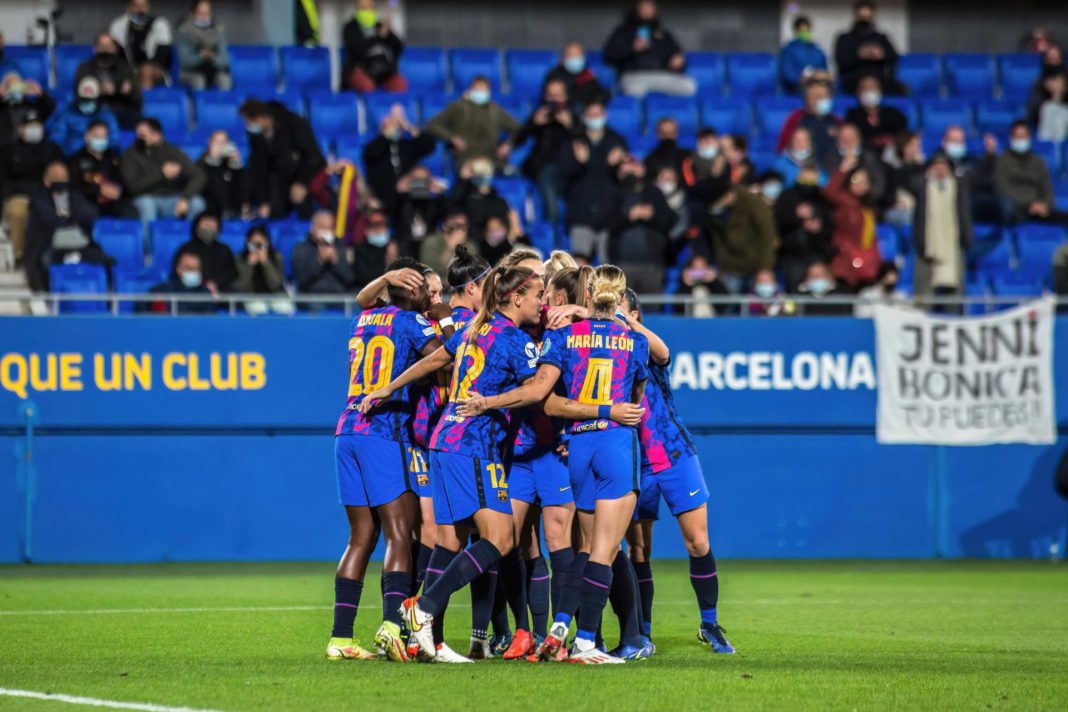


Barcelona Femení’s 4-0 demolition of Olympique Lyonnais to claim the 2026 UEFA Women’s Champions League title is the visible peak of a much larger iceberg. The trophy is the result of a deliberate, multi-year business and structural strategy that transformed the women’s program from a modest operation into the most dominant force in European women’s football.
The foundation of Barcelona’s model lies in its integration with the wider club ecosystem. FC Barcelona, owned by its members and rooted in long-term institutional values, treated women’s football not as a separate side project but as a strategic pillar of the club’s brand and sporting identity. This alignment allowed the women’s team to leverage Camp Nou-level infrastructure, global marketing reach, and La Masia’s youth development pipeline from an early stage.
The financial turnaround was neither accidental nor immediate. In 2021, the women’s program operated at a loss with a budget around €5 million. By the 2025–26 season, that budget had quadrupled to €20 million, and the team was generating around €2 million in profit. This growth was driven by a deliberate shift toward revenue generation: larger matchday attendance, increased sponsorship deals, higher broadcast interest, and expanding women-focused merchandise sales. The women’s team became not just a cost center but a commercially viable asset.
From a roster-building perspective, Barcelona deliberately balanced external signings with homegrown talent. The club’s leadership publicly emphasized betting on La Masia for the women’s game, mirroring the men’s philosophy. This approach produces several advantages: reduced transfer costs, better long-term wage control, and deeper cultural cohesion within the squad. homegrown players tend to be more aligned with the club’s playing identity and fan expectations, which increases stability in tactical systems and team chemistry.
Barcelona’s spend discipline also mattered. While the women’s wage bill sits around €14 million — dwarfing most women’s clubs — the club has avoided the runaway salary inflation seen in some markets. The model prioritizes smart investment in key positions rather than blanket spending, which helps maintain financial sustainability while remaining competitive.
That said, the women’s program has not been immune to the broader financial turbulence gripping FC Barcelona. The men’s team’s excesses, which helped push the club beyond €1 billion in debt, have at times forced the women’s side to downsize and trim contracts in the name of financial fair play. Reports in 2025–26 even noted roster thinning to just 17 registered first-team players — a precarious setup for a team competing on multiple fronts. This tension highlights a structural vulnerability: when women’s football is tethered to a men’s club struggling under debt, the most successful side can become the most expendable in cost-cutting decisions.
Despite these constraints, Barcelona Femení has maintained its sporting dominance. The club’s model proves that women’s football can be self-sustaining and profitable, but it also exposes the risks of over-dependence on the financial health of the parent club. Some observers argue for a semi-independent structure for Barcelona Femení that could attract outside investment and insulate the women’s program from men’s team volatility.
The UEFA Women’s Champions League title is the clearest proof that Barcelona’s blueprint works: strategic integration, budget growth, commercial development, and a youth-first approach can build a dynasty. Whether the model remains sustainable in the long term will depend on whether the club can balance competitive ambition with fiscal prudence and protect the women’s program from spillover effects of broader financial mismanagement.
In the wider landscape of women’s football, Barcelona Femení stands as both a template and a cautionary tale. Their success shows what is possible when a club invests seriously and structurally. Their ongoing financial challenges warn that even the most successful women’s programs remain vulnerable when tied too tightly to the fortunes of a debt-laden men’s counterpart.